Table Of Content
The defendants have not yet filed an answer to the lawsuit, according to Mitchell’s attorney, Diandra “Fu” Debrosse Zimmermann. Mitchell’s legal team said they expected many more women to file additional lawsuits against the defendants and would ask for all of them to be handled under one federal judge. “Consumers can immediately evaluate their products in the store before purchase, and avoid those products with formaldehyde or formaldehyde-releasing chemicals,” Bunick said. Per guidance from the Occupational Safety and Health Administration (OSHA), any product that contains or can release formaldehyde needs to say so on its packaging. Just like smoking, though, I don’t necessarily tell people to just stop using relaxers cold turkey. If you want someone to start developing an exercise habit, you don’t tell them, “OK, now go out and run a marathon.” I suggest you start ramping down the frequency of use; every other month instead of every month, for example.
Get The Latest Health Matters News
From quick indicators, like burning, to more concerning symptoms like burns or sores, check out some indicators that could mean your relaxer is damaging your hair and tips on preserving the health of your hair if you regularly get perms. “It’s about time,” said Dede K. Teteh, an assistant professor of public health at Chapman University. A UVA Health primary care doctor can help you learn all the ways you can stay healthy and prevent cancer. Debrosse Zimmermann said the panel’s decision “recognized the clear benefits of centralizing the hair relaxer litigation”, adding that she expects many more firms to file their cases in the coming weeks.
Results might have greater impact for Black women
In a recent study of non-Hispanic Black women from 2014 to 2022, 84% reported current or past use of hair relaxers. A new study from Boston University suggests that Black women who have used relaxers more than twice a year or for more than five years have a 50% increase in uterine cancer risk. For women who used hair straightening or relaxing chemicals regularly, breast cancer risk increased 31%. And it's important to keep in mind that "chemical hair products are just one of many factors that may influence a woman’s chances of getting uterine cancer," says Alexandra White, PhD, an epidemiologist at the U.S. "More research is needed before firm recommendations can be made." Things like weight and a sedentary lifestyle play a much larger role, for reasons we'll get into below. It was in the wake of this study that lawsuits started to be brought against makers of hair relaxers, including L’Oréal.
Allure Daily Beauty Blast
L’Oreal Dark & Lovely Lawsuit - Lawsuit Information Center Blog
L’Oreal Dark & Lovely Lawsuit.
Posted: Wed, 17 Jan 2024 08:00:00 GMT [source]
The investigation reports that thousands of lawsuits were filed against cosmetic companies by Black women who claim that chemicals in hair relaxers may release formaldehyde when heated and raise the risk of uterine cancer. The report indicates the companies, which include L’Oreal and Revlon, have denied the allegations. The scalp burns and unpleasant smells of lye-based hair relaxers, along with growing evidence of cancer risks, have led stylists and cosmetics companies to search for safer alternatives. One uses a compound called ammonium thioglycolate that, instead of cutting all the sulfur bonds in a strand of hair, merely reduces the number of bonds—and still permanently straightens most textures of hair.
Dozens of lawsuits claim hair relaxers cause cancer and other health problems
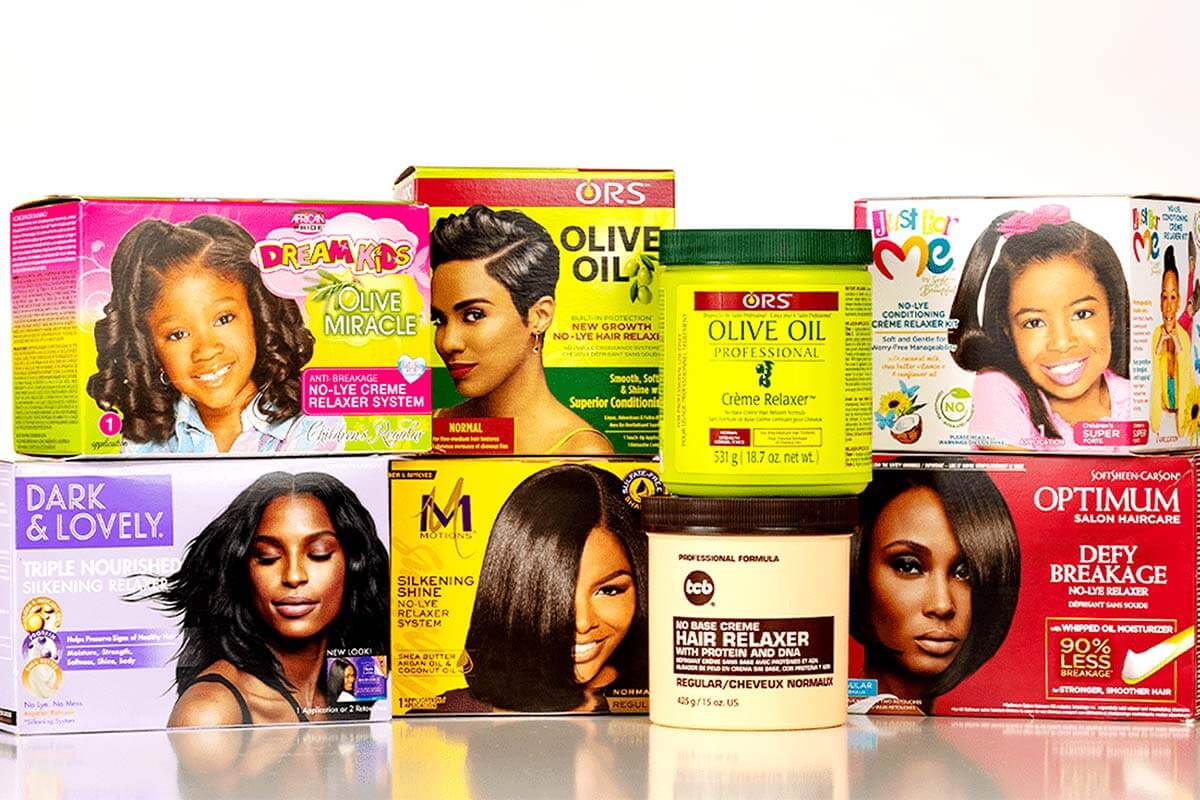
As more research continues to reveal potential dangers, hundreds of Black people have filed lawsuits against big-name beauty and cosmetic retailers like L’Oreal and Revlon, blaming their chemical hair straighteners as causes of uterine cancer, fibroid tumors and infertility. Over the last decade, researchers have warned about the potential dangers of chemical hair straighteners, which have been linked with an increased risk of cancer, particularly among Black women. Now, the Food and Drug Administration is planning to propose banning a harmful ingredient used in some straighteners. Alexandra White, head of the environment and cancer epidemiology group of the National Institute of Environmental Health Sciences and the lead author on the study, cautioned that the study did not prove that hair straightening products caused uterine cancer.
Do people who have their hair dyed have increased risks of cancer?
“There is an important movement in medicine today to make sure all people, regardless of skin color, race, or ethnicity have equal access to timely and quality health care,” he said. The greater the exposure, in regards to both concentration and duration, the higher the health risks, the FDA warns. Many Black women straighten their hair to keep their jobs or advance to higher positions, which puts them at risk, Taylor said. In July, L’Oreal asked a federal court to dismiss the dozens of consolidated lawsuits against the company, arguing that the plaintiffs’ claims were “vague” and based on “unsupported conclusions.” The company did not respond to a request for comment for this article. "A burning or tingly sensation can be normal in some cases," says Abra McField, CEO and Founder of Abra Kadabra Hair & Healing. She says this is due to our scalp's pH. "[The scalp] is somewhere between 4.5 and 5.5," says McField.
FDA May Ban Hair Straighteners With Formaldehyde Over Cancer Concerns
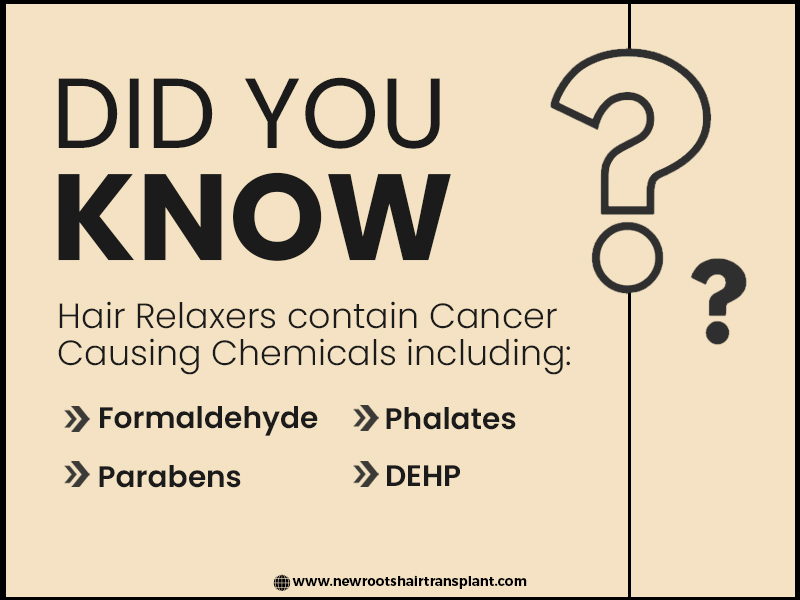
More research needs to be done before we can say for sure that chemicals in hair products cause cancer. Experts and consumers have expressed concerns about a link between hair products and breast cancer for years. Other studies have shown that hair relaxers can cause fibroids and an early onset of puberty in girls, Bertrand said.
One study published in 2021 found that 3% of non-Hispanic white women reported hair straightener use during adolescence compared to 75% of Black women, Kleinman highlighted. This method straightens wavy hair through repeated brushing and flat-ironing while certain products are applied. The ingredient at work in Brazilian blowouts is methylene glycol, which emits gaseous formaldehyde when heated. The formaldehyde temporarily locks hair in place to achieve long-lasting straightening—but it’s a known carcinogen. “Many studies show that maintaining a healthy weight, exercising, reducing your alcohol intake and eating a healthy diet significantly reduce your risk for breast cancer,” says Brewster. If you want to reduce your risk for breast cancer and other cancers, the best thing to do is to follow a healthy lifestyle.
Your Health
In a statement posted online after the first lawsuits were filed, L’Oréal said it is “confident in the safety of our products and believe the recent lawsuits filed against us have no legal merit”. This glorification of looser curls, longer hair and “finer” textures has in turn spawned an industry that feeds off that very prejudice. It's important for us to call out the fact that many of these products have been aggressively marketed toward Black women for decades [and] that many of these products have such a chemical soup, that we don't even know what women are being exposed to. And, if Mitchell prevails, Black women could be faced with a different kind of conversation about hair and adornment – that of adverse and unequal health consequences.
Gordon, 49, of Springfield, Illinois, grew emotional as she recounted the toll the back-to-back cancer diagnoses and treatments have taken on her body and her life. Certain hair straightening or smoothing products release formaldehyde when they’re applied to the hair and processed and sealed with a heat treatment. It may be either personal or pressured, but “with that choice, there needs to be a safer choice,” she says.
FDA proposes ban on hair relaxers with formaldehyde - NBC News
FDA proposes ban on hair relaxers with formaldehyde.
Posted: Wed, 18 Oct 2023 07:00:00 GMT [source]
Over the past decade, chemical relaxer sales to hair professionals and salons declined, from $71m in 2011 to $30m in 2021, according to the market research firm the Kline Group; Mitchell is one of many Black women who have foregone relaxers and she wears her hair naturally, cut closely to her head. Chemicals that release formaldehyde when heated include, but are not limited to, timonacic acid, dimethoxymethane, or decamethyl-cyclopentasiloxane. For example, chemicals that are synonyms for formaldehyde include formalin, methanal, methanediol, or formaldehyde monohydrate, according to the OSHA. Sometimes formaldehyde isn’t explicitly listed on the packaging label, and, in certain circumstances, there may be other chemicals that, when heated, can release the carcinogen. “I sincerely hope lawmakers in Congress continue to fight for improved quality control in the manufacturing of over the counter personal care products,” he said.
"Over-processing, poor maintenance, tension, adding hair color, can all contribute to breakage," she says. "You have to make the mental and physical commitment to having a relaxer and you need to find a stylist that cares about the health of your hair, versus the style." Applying chemicals to already thin hair or damaged follicles can eventually lead to thinning or hair loss.
And as a result, Black people have been fired from their job for simply wearing their natural hair. A nationwide movement has emerged in recent years to prohibit hair-based discrimination through the CROWN Act (which stands for Creating a Respectful and Open World for Natural Hair). Twenty-four states have so far adopted their own version of the CROWN Act, but a federal version has yet to survive the Senate. Until such a nationwide law exists, people with curly or kinky hair may not feel safe wearing styles that are natural or that keep their hair and scalp healthy.


No comments:
Post a Comment